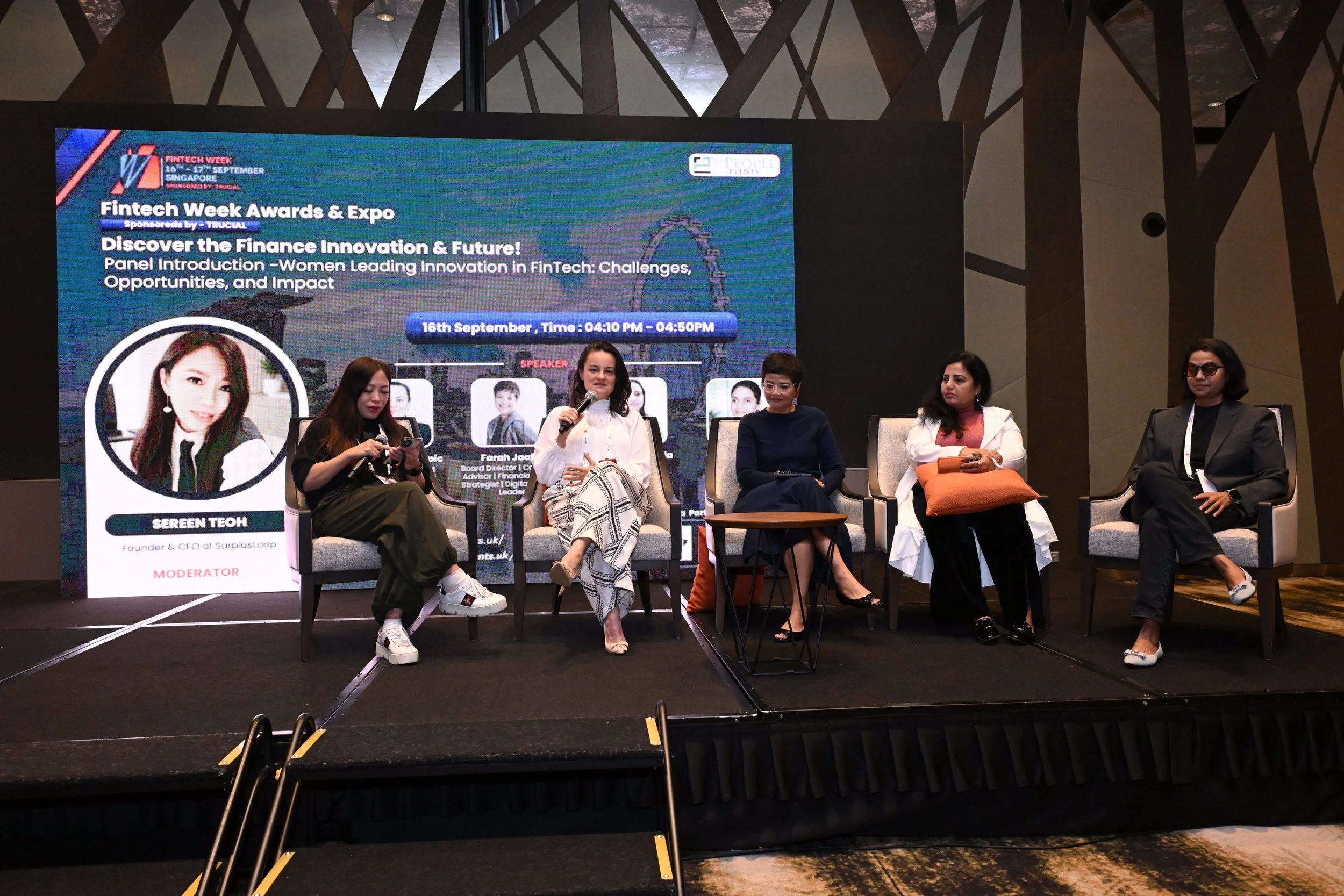
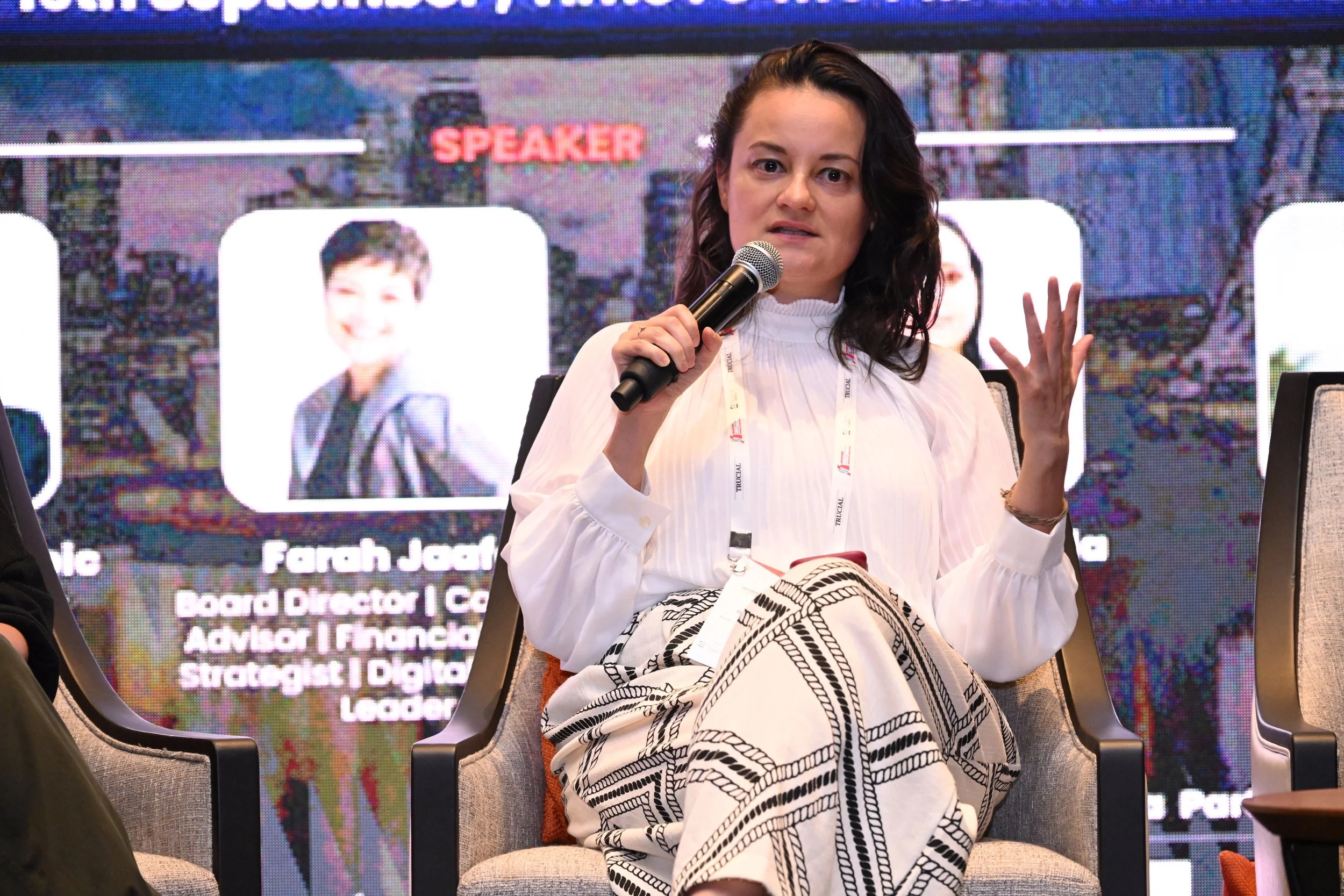
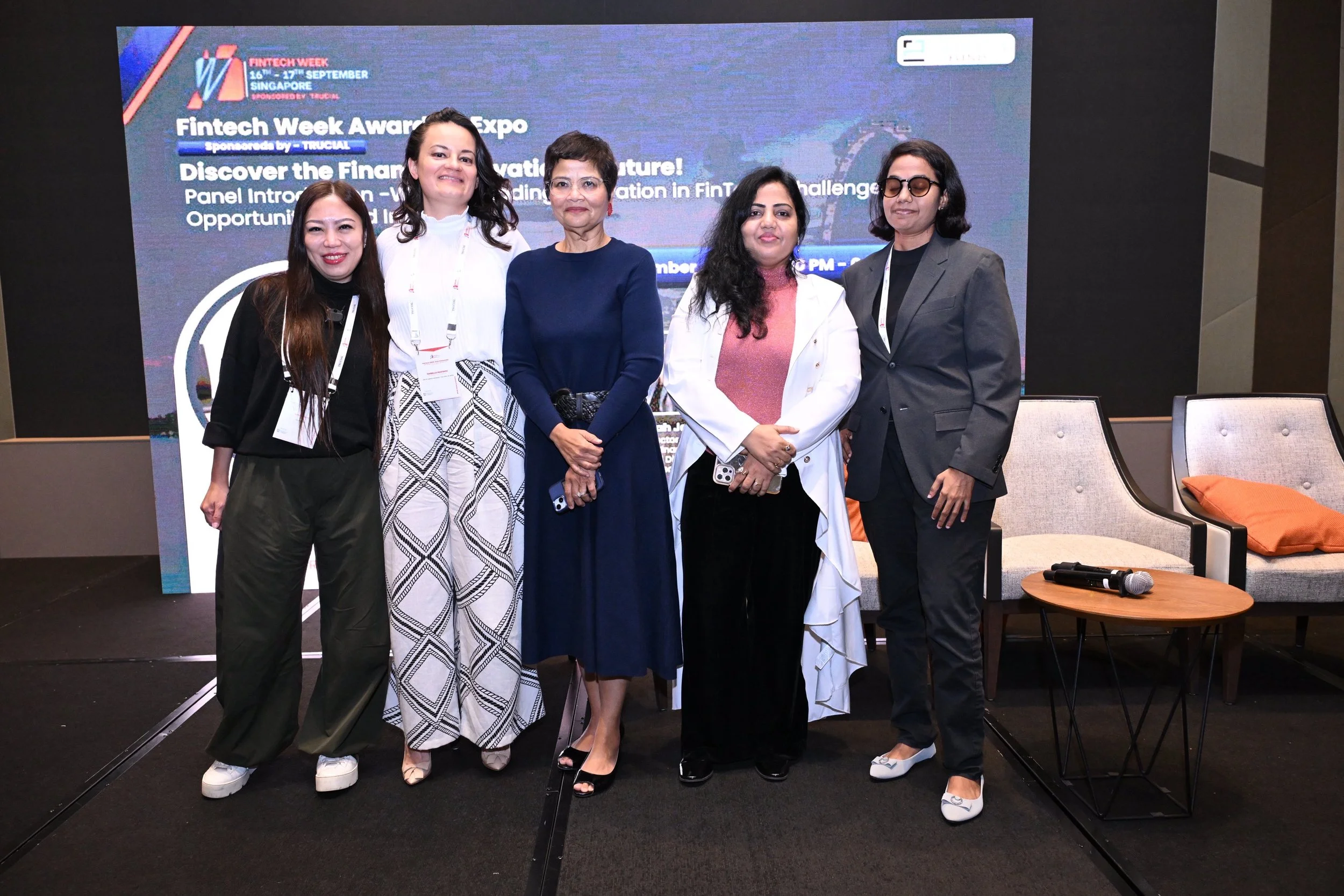
The conversation about women in fintech has spent too long in the same place: representation data, pipeline statistics, and calls for more mentorship. At Singapore FinTech Week 2026, the Women Leading Innovation panel moved to harder ground, discussing the structural conditions that determine whether capable founders secure capital, and what boards and management owe once they do.
The panel opened with a sharp observation: as Isabelle stated, “Fintech can be technologically innovative while remaining institutionally archaic.” More sophisticated products and infrastructure do not automatically dismantle the familiar barriers to funding, credibility and decision-making that female founders continue to encounter. Product innovation does not equal innovation in how institutions assess the people building those products or infrastructure.
On funding, the discussion centred on access and process rather than capability. The constraint usually tends to be how talent gets recognised, assessed and backed. As Isabelle noted, a strong proposition still needs to reach investors who understand the business, the sector and the opportunity, and that match between founder and capital source is itself a structural problem, not a personal one.
The panel also examined what happens after funding is secured. Building a commercially successful business and preparing it for its next stage require genuinely different capabilities. Founders who have built something that generates healthy profit margins may still need to address governance, transparency and oversight as the organisation matures. That transition can feel uncomfortable, particularly for founders accustomed to independent decision-making. As Isabelle pointed out, this is also where the distinction between management and board responsibility becomes commercially critical. Management’s responsibility is to drive growth. The board’s role, however, is to ask whether that growth is responsible, sustainable and built on sound ground.
The closing thread was the most direct. Progress in this space will not be measured by conversation alone, but by data and funding outcomes: how many businesses receive initial capital, at what terms, and with what access to follow-on investment. The panel’s consensus was clear: access to opportunity and accountability for how that opportunity is used belong in the same conversation.
Isabelle closed the panel by stating that it’s a two-way street: Women have to become bold in ensuring they get access to the best investor network, while investors themselves have to put up the mirror and assess on what criteria they evaluate a female founder’s business, and whether these criteria are the same for male founders.
Isabelle Mustapic participated in the Women Leading Innovation panel at Singapore FinTech Week 2026. Read her LinkedIn post [here → link].
Panellist
Women Leading Innovation in FinTech: From Access to Accountability
Fintech Week Singapore
September 2026 · Singapore
By Isabelle Mustapic | Event reflections