The Pitch You Didn't Know You Were Making
Reflections by Isabelle Mustapic
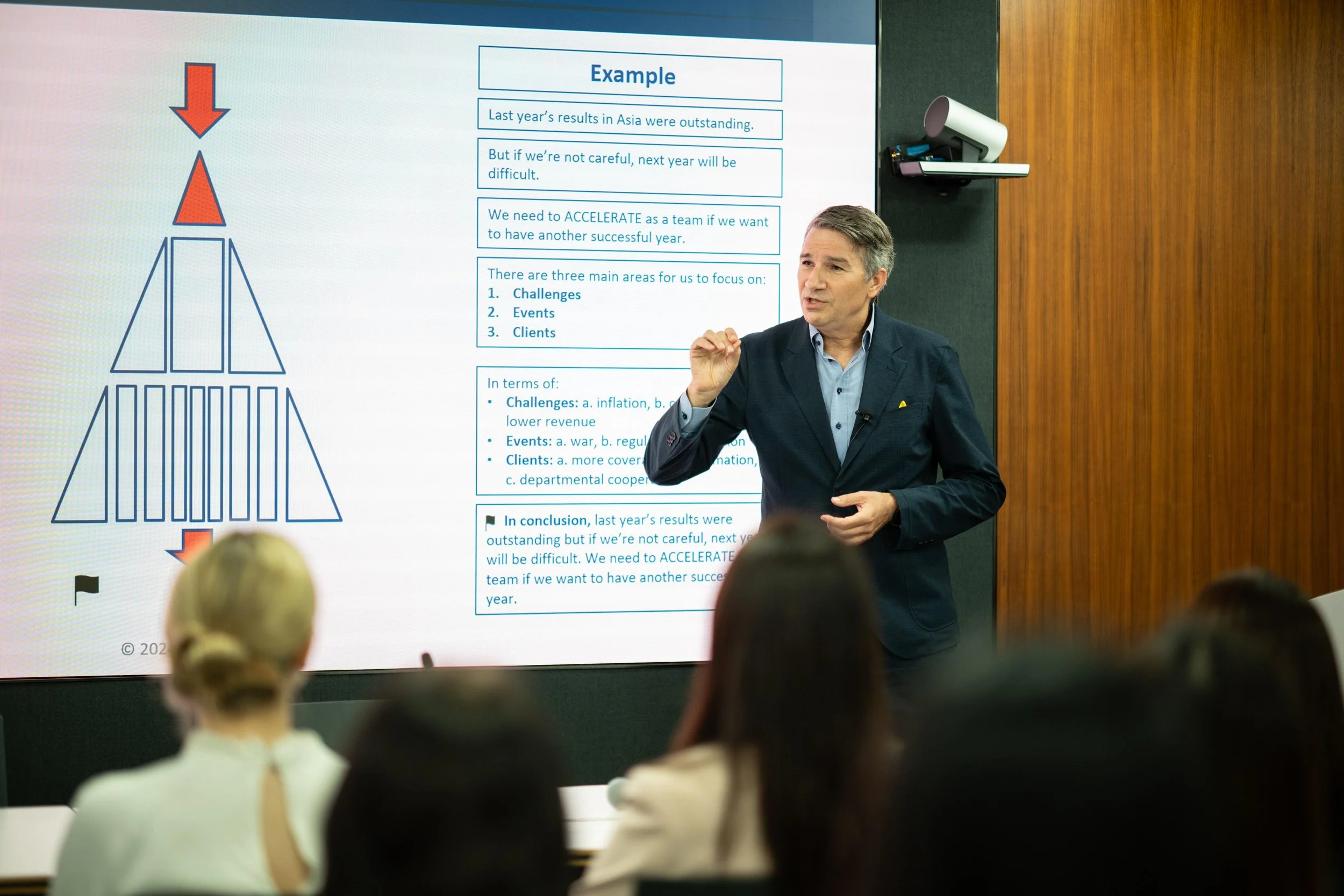
When Case Everaert took the room through the mechanics of a TEDTalk-worthy pitch that evening — structure, pyramid storytelling, the discipline of building toward a single clear ask — I recognised almost everything he described. Not because I'd ever formally trained in pitching or sales. I hadn't. But because I'd already built and delivered one of the most consequential pitches of my career without ever calling it that, or preparing a single slide.
I'd been brought into a pricing restructuring programme originally to manage execution — overseeing an offshore team, ensuring client up-pricing letters went out correctly, keeping a politically sensitive project moving. I turned it into something considerably more strategic.
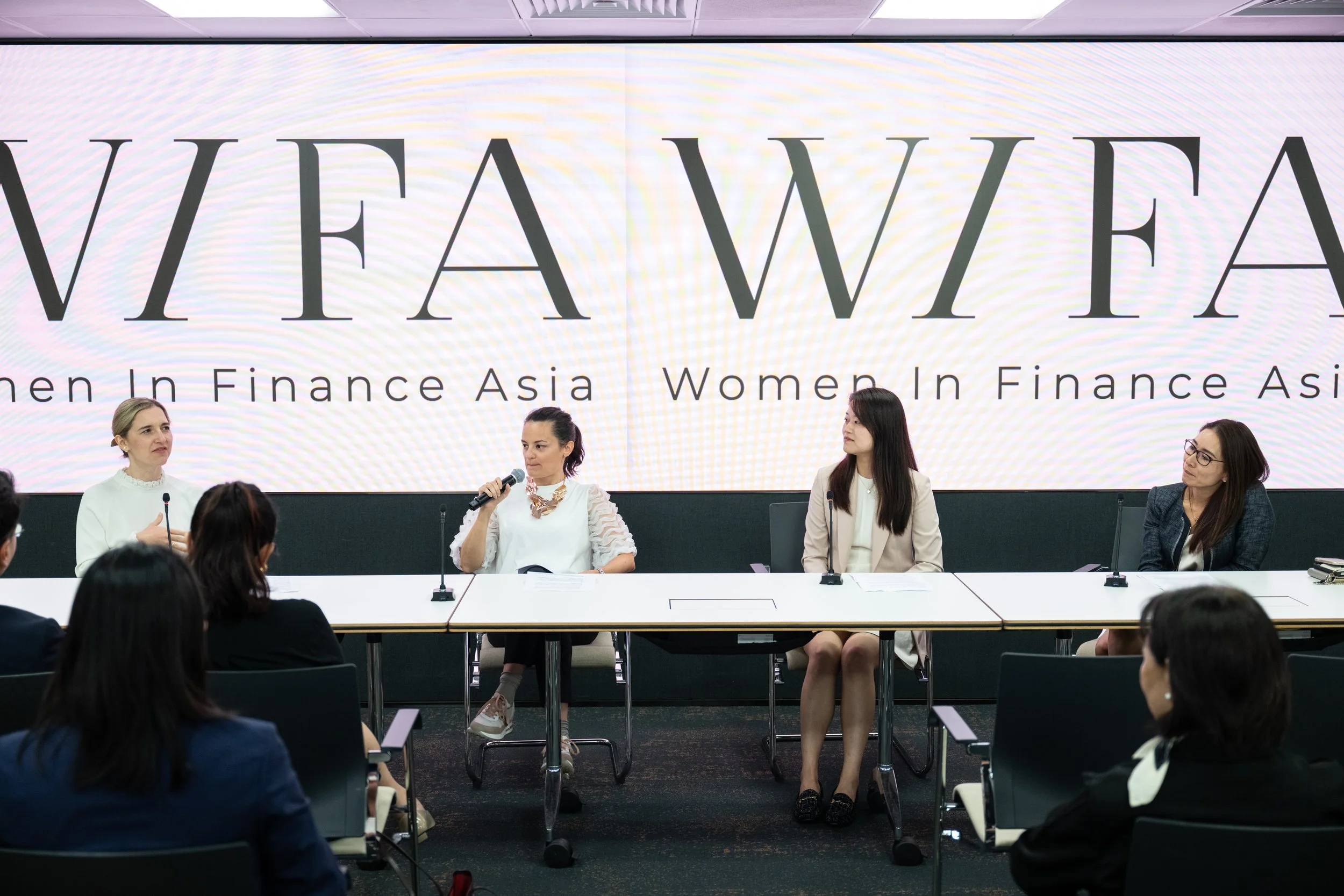
Women in Finance Asia & Black Isle Global
Coaching on TedEx Style Pitching
September, 2024 · Hong Kong
Rather than simply process the up-pricing, I built bespoke framing for Asian markets and equipped sales teams with the language and positioning to have those conversations with clients directly, product by product. The project delivered financial outcomes ahead of expectations and earned me an exceptional performance review — but the part that mattered most happened afterwards, in a conversation I never engineered. My managing director at the time took the results to one of his own former bosses and made the case on my behalf: if Isabelle could deliver this under these conditions, she could be trusted to execute the next transformation mandate in Asia. No deck. No formal ask. Just delivered proof, carried into a room I wasn't in, by someone I'd never asked to advocate for me. That conversation became the reason I moved to Asia.
I didn't experience that as a pitch at the time. I experienced it as doing the work well. But looking back, it had every element Case laid out that evening — a clear narrative, evidence that carried its own weight, and a case built deliberately enough that someone else was willing to stake their own credibility on repeating it. The only difference was the stage. Mine was a results deck nobody but me ever built, made across a boardroom table instead of a spotlight.
That's the connection I tried to draw for the room that night, alongside the mentoring work WIFA has always centred: pitching isn't a specialism reserved for sales teams or TED stages. It's a professional skill hiding in almost every senior career, whether anyone's ever called it by its name. Most people build it instinctively, the way I did, without ever noticing they're doing it — which also means most people never learn to use it deliberately, on their own behalf, the next time it matters.