Personal Branding, Rebuilt From the Inside
Reflections by Isabelle Mustapic
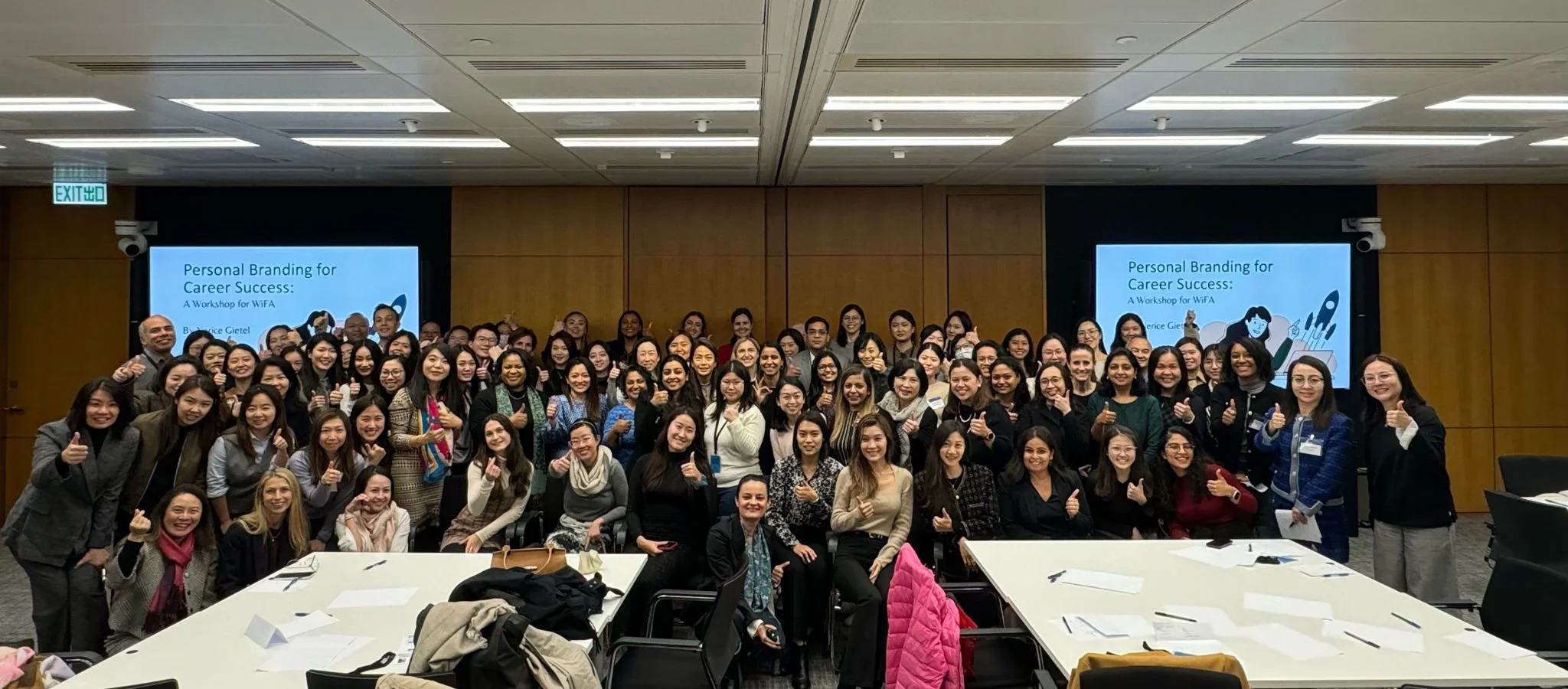
When I stood up to close the WIFA personal branding event in January 2024, I didn't want to add another voice to the usual advice — polish your LinkedIn, sharpen your headshot, tighten your elevator pitch. Nerice had already given the room exactly that, and given it well: branding as something built from your own strengths, not borrowed from a template. What I wanted to offer, in the ten minutes I had, was a harder version of the same idea. Personal branding doesn't only get built in moments of strength. Sometimes it gets built—and tested—in moments that look, from the outside, like the opposite.
Some years earlier, Deutsche Bank made the decision to close its corporate trust business in Mauritius. I led the closure. It's a small market — small enough that everyone knew who was affected before the announcement had finished circulating, and small enough that being visibly "let go" carried real, immediate consequences for how the market would see you next.
I didn't walk into that project as the senior banker from Hong Kong there to execute a decision efficiently and move on. I led it through what I'd call humble servant leadership — a style that asks a great deal of flexibility and grace from you, but is not the same thing as being a pushover. There were moments, particularly as the project stretched across fifteen months, where people were dragging their feet without cause, and leading well meant being just as willing to hold a line as to extend patience. Both mattered. Neither replaced the other.
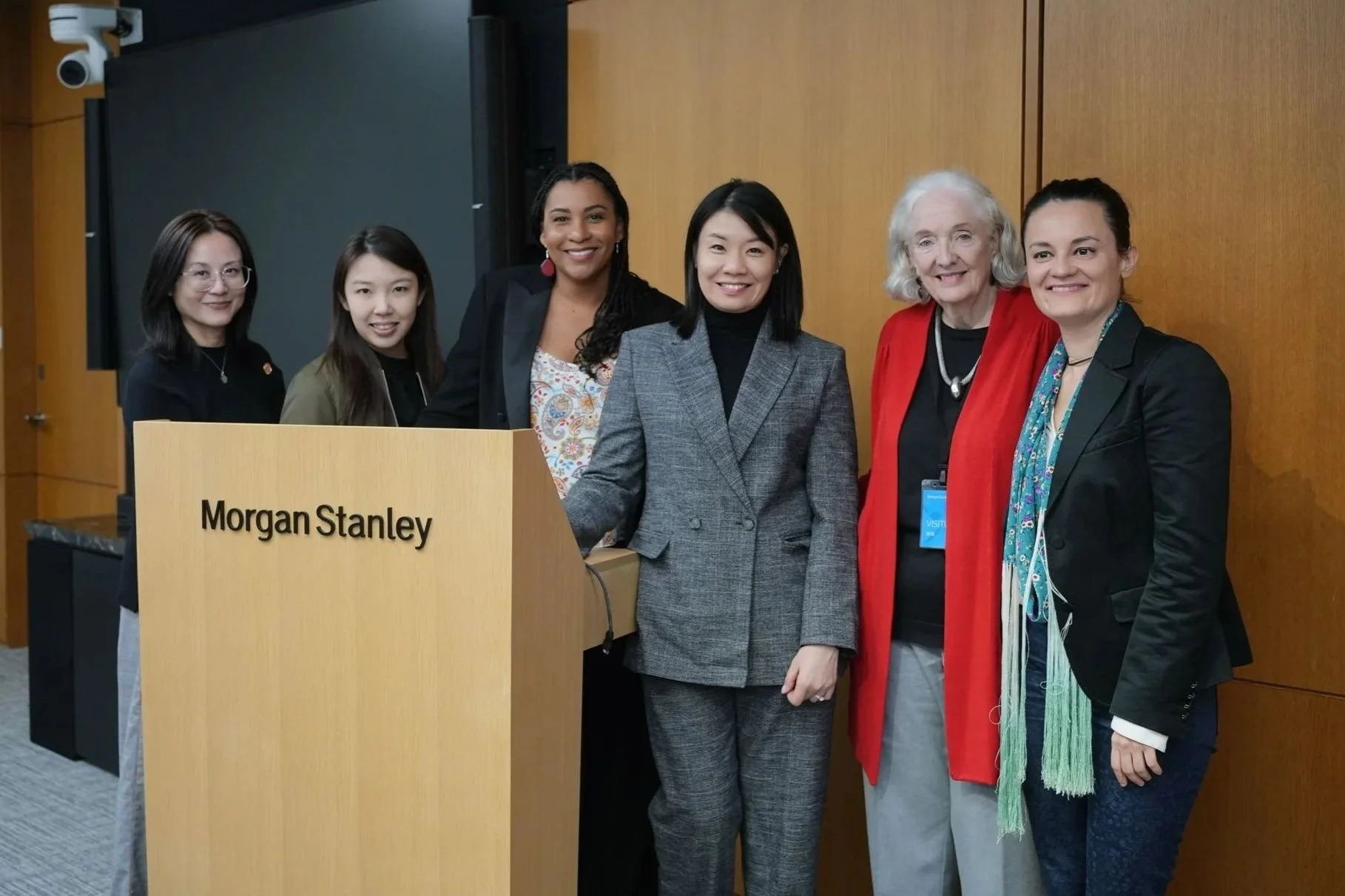
Women in Finance Asia & Career & Executive Coach Nerice Gietel, PCC (ICF), SP (EMCC)
Coaching on Personal Branding
January, 2024 · Hong Kong
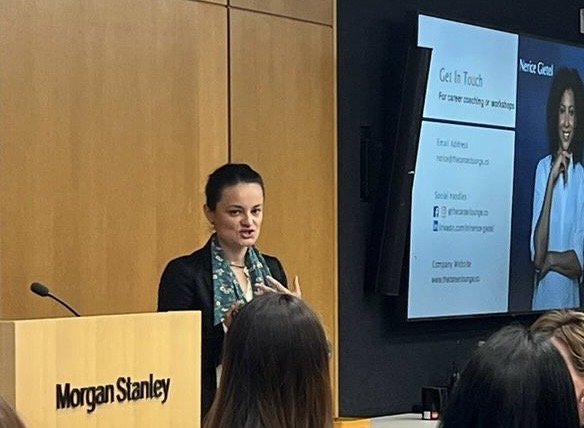
"I wanted every one of them walking into that room believing they were a strong candidate shaped by real experience — not a casualty of a Mauritius banking closure looking for anywhere to land."
The second half of that project became something I hadn't originally set out to do: coaching. I worked closely with nine people across different levels of seniority, and much of it started with something deceptively unglamorous, the CV. Some arrived at three pages, dense with everything they'd ever done, and none of it told a hiring manager what actually mattered. Learning to compress that into a clear, results-led narrative was often the first real shift — not just in the document, but in how someone started to see their own value. From there, we moved into interview practice: how to talk about impact, not just responsibility.
Underneath all of it was one deliberate goal. In a market that small, everyone would know these people were job-hunting regardless of what I did. What I could control was whether they walked into a room believing they were a strong candidate shaped by real experience, or a casualty of a closure looking for anywhere to land. Those are two entirely different postures in an interview, and hiring managers can tell the difference immediately. I wanted every one of them walking in from a position of strength.
One of them, in particular, had gone far beyond what the project asked of him — a relationship manager, deeply experienced across local and international banking, who delivered so much value during the closure that it was easy to forget the business was winding down rather than growing. I hadn't worked in Dubai myself, but I reached out to senior contacts from a former business there, put him forward personally, and coached him through the interview process so he could show up at his best in front of them. He landed the role. Others from that same group went on to roles in Canada and the UK — not through placements I made directly, but through the same coaching, applied with the same care, because I genuinely wanted to see all of them land well, not just the ones I could personally open a door for.
That's the story I brought to Nerice's session. Not a counterpoint to her framing, but an extension of it into its hardest possible context: personal branding isn't only something you build when things are going well. It's a skill — one you can develop deliberately, carry with you, and apply again in the next room, the next company, the next chapter, regardless of the circumstances that put you there.