By the time I joined Women in Finance Asia as Career Development Co-Chair, mentoring wasn't new to me — I'd been doing it, on and off, for close to a decade across Deutsche Bank's London and Hong Kong offices. But "mentoring" as a single word hides a lot of variation. Mentoring someone within your own division is a different exercise from mentoring someone two or three functions away — not primarily because the leadership or communication challenges differ, but because you first have to understand, quickly and accurately, the specific technical and organisational terrain they're operating in before any advice you give is actually useful. Over the years, I noticed a pattern: more and more of the people I mentored weren't just looking for encouragement, they wanted to understand how someone had made a genuine cross-lateral move — how you build the case, when you make it, who you need on your side. Having made several such moves myself across my banking career, that became a specific strength I could offer.
That's what drew me to WIFA's mentoring stream specifically: the chance to work with mentees from across industries, not just across divisions of one bank, which kept stretching that particular skill in ways a single institution never could.
When my co-chairs and I took this on, there was no existing structure to inherit — we built the matching methodology, the mentor pool, and the programme design from the ground up. One thing I pushed for early was diversity of mentor background beyond what our sponsor firms alone could offer. In the first year, especially, I drew directly on my own network across banking and fintech to bring in mentors whose experience wouldn't otherwise have been represented in the programme, because a mentee's growth is only as good as the range of real, lived experience available to learn from.
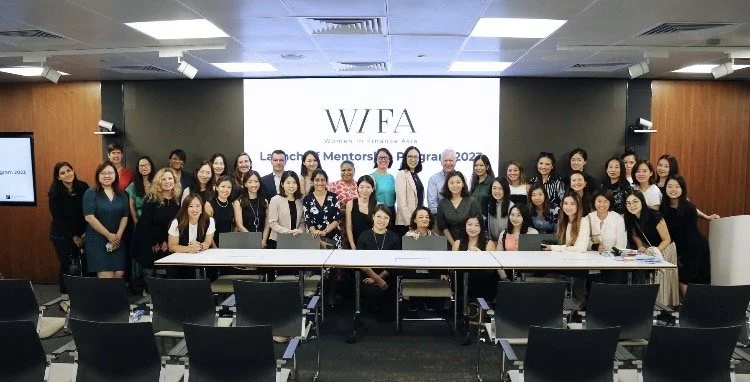
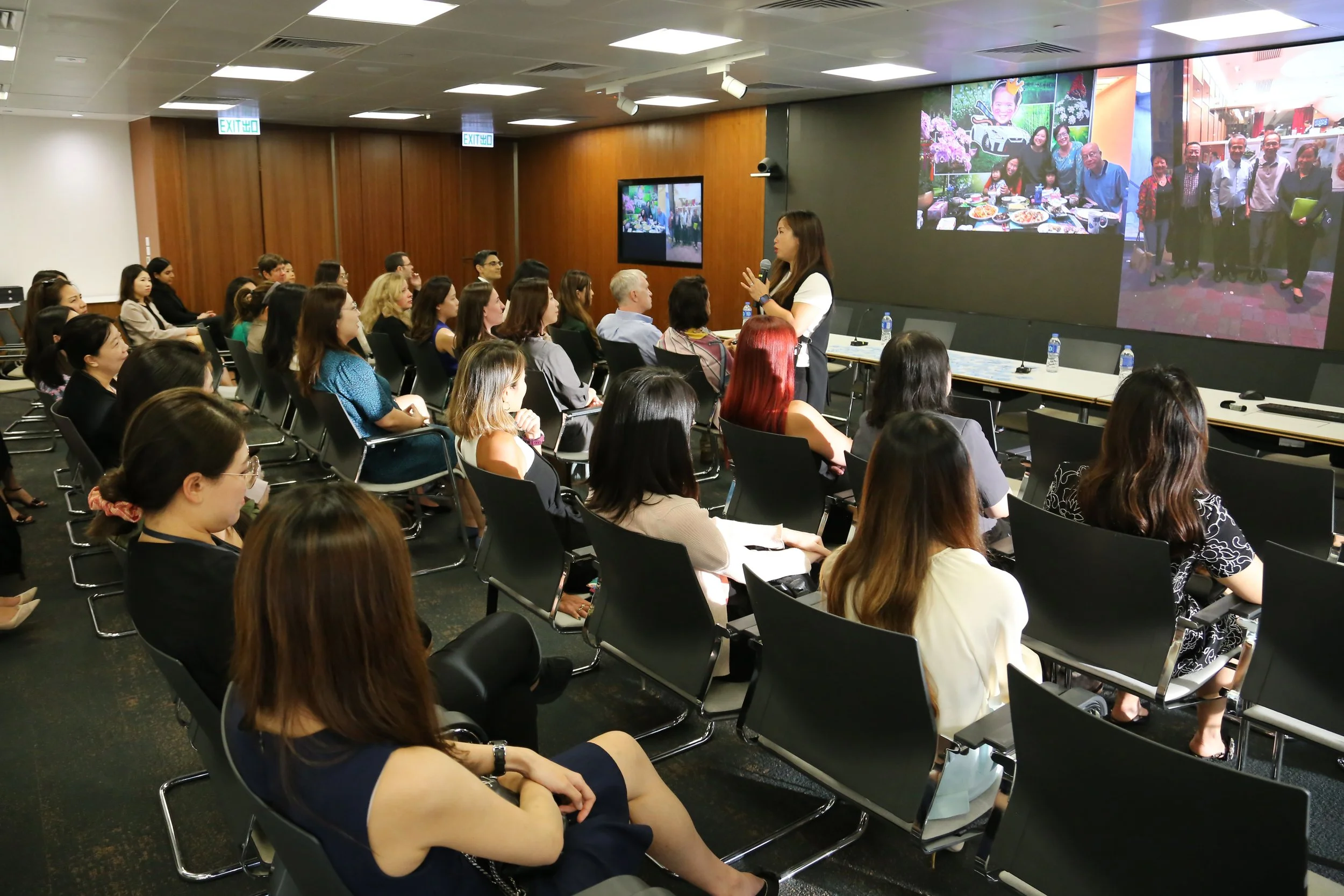
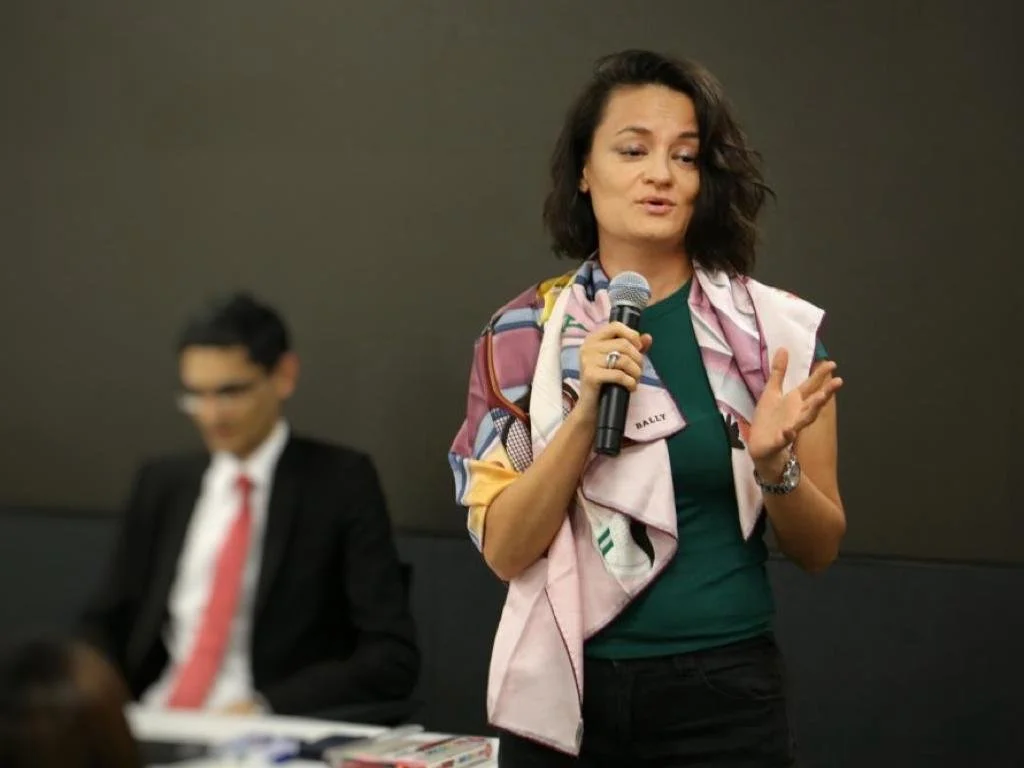
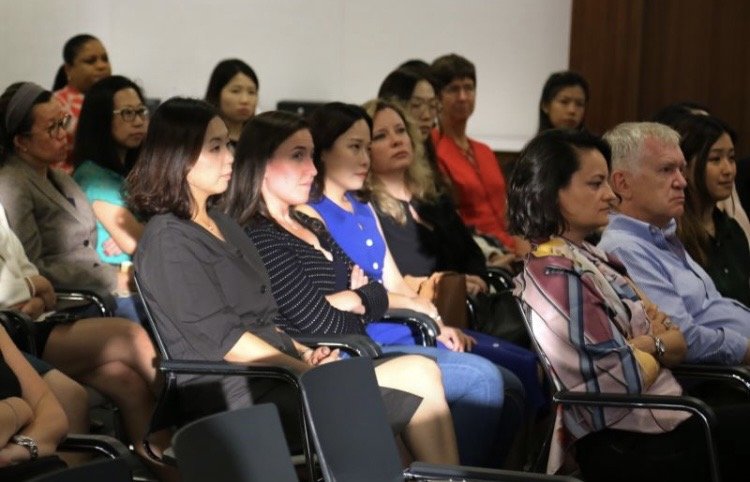
At the launch event itself, Gladys Liu of BlackRock and Shirley Pi of Citi both spoke about the value of treating your mentors as a personal "Board of Directors" — drawing on multiple people, multiple perspectives, rather than relying on one relationship to carry everything. I've never worked with that exact framework myself, but I think the underlying instinct is right, with one important caveat: more mentors is not automatically better. What matters is whether each relationship is mapped to a specific goal. If you're aiming for a cross-lateral move, you want someone who has actually made that kind of move, ideally across financial hubs, not just up within one. If you're stepping into people leadership, you need someone who can speak to managing and growing a team, not just to their own individual career. Stack too many mentors without that clarity of purpose, and you often end up with conflicting advice and diluted attention — not a board of directors, just noise.
The other thing I believe strongly, and rarely see said out loud: a mentoring relationship isn't something a mentee simply receives. It has to be maintained — not with daily check-ins, but not with a single conversation every three months either. The mentee carries real responsibility for keeping the relationship alive and useful, and the best mentoring relationships I've been part of, on either side, have always had that mutual investment built in from the start.
Women in Finance Asia & Citi
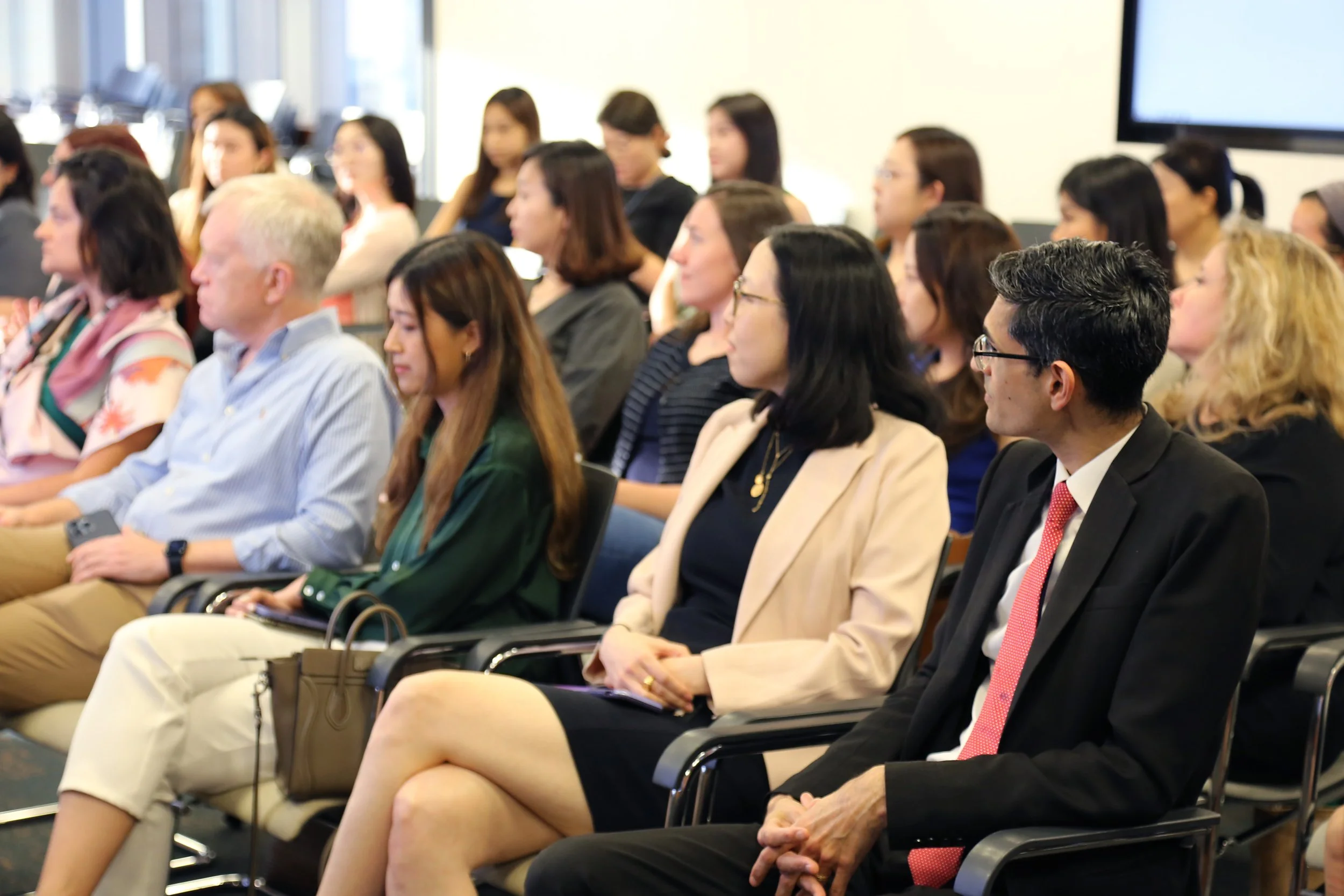
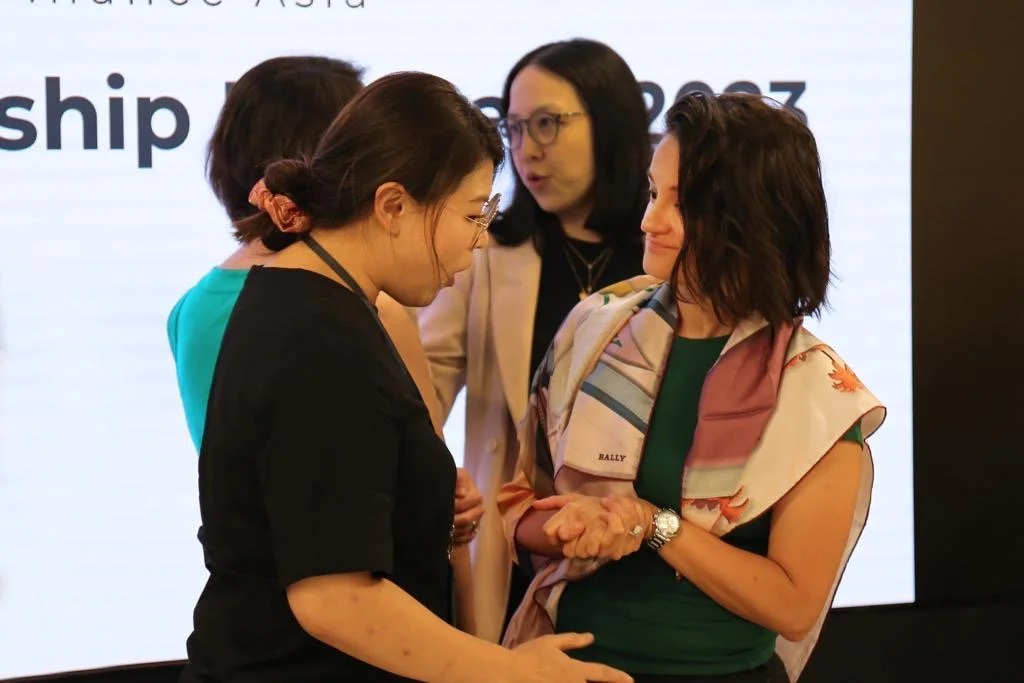
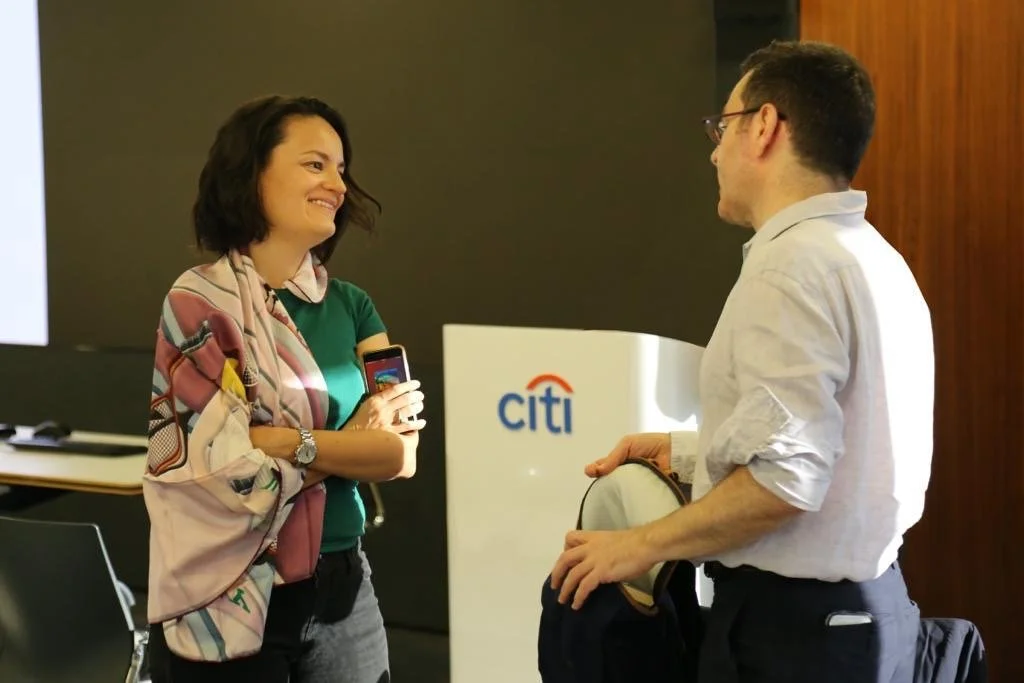
WIFA Mentor-Mentee Programme Launch
September, 2023 · Hong Kong